Compound vs isolation exercises
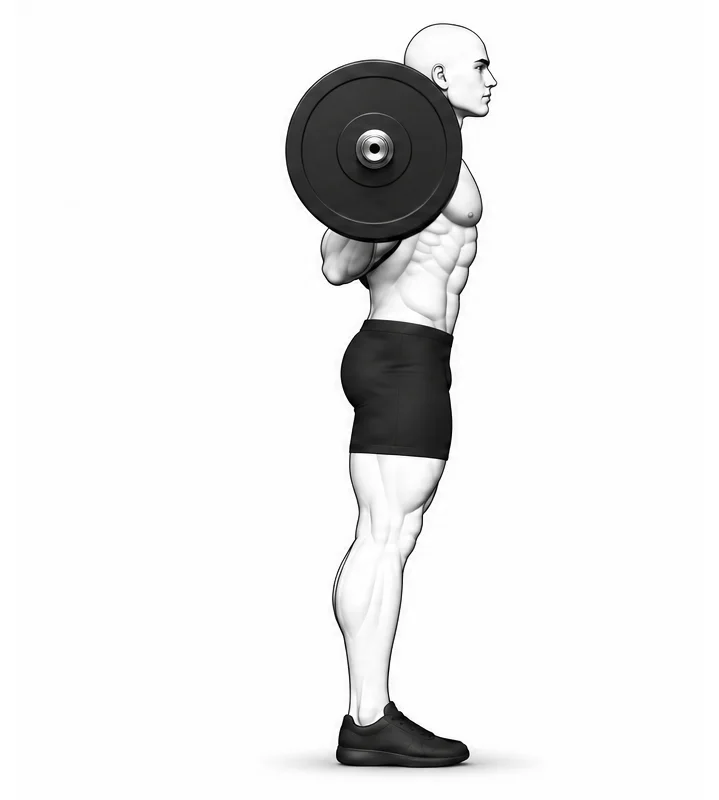
A compound exercise moves two or more joints, so several muscle groups work together: a squat bends your hips, knees and ankles at once. An isolation exercise moves one joint and aims at one muscle: a leg extension only straightens the knee. Most good programmes use both, with the compound lifts first.
The two types
Compound (multi-joint) #
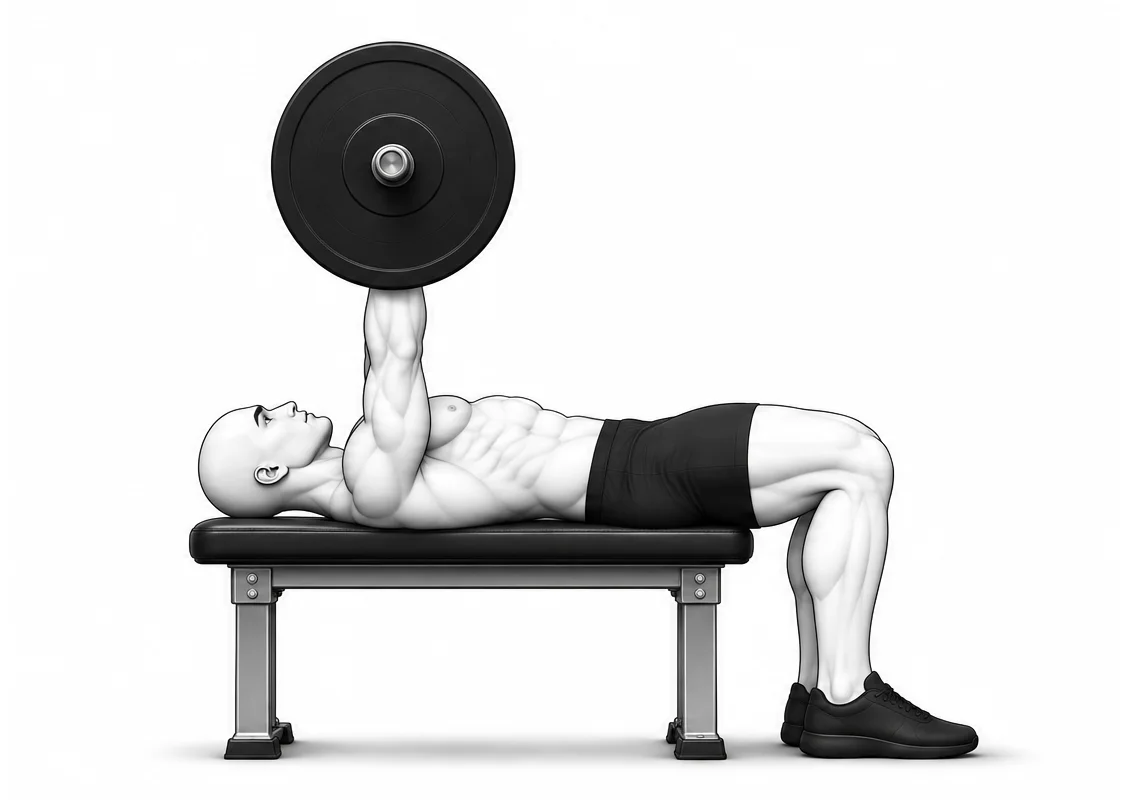
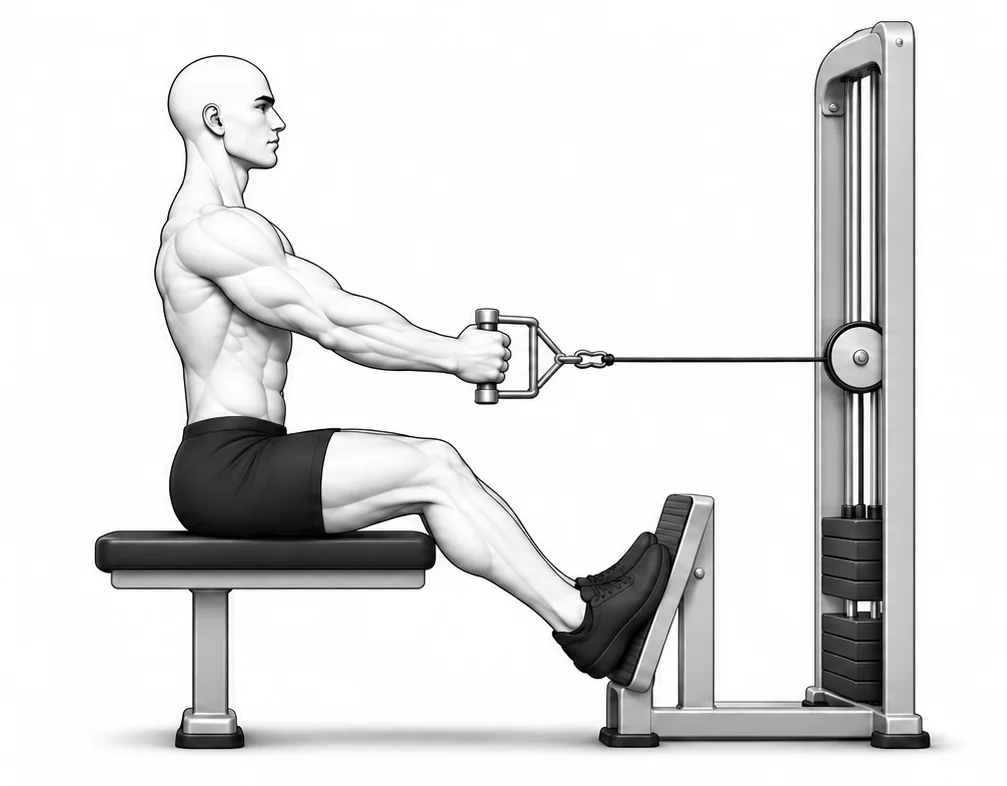
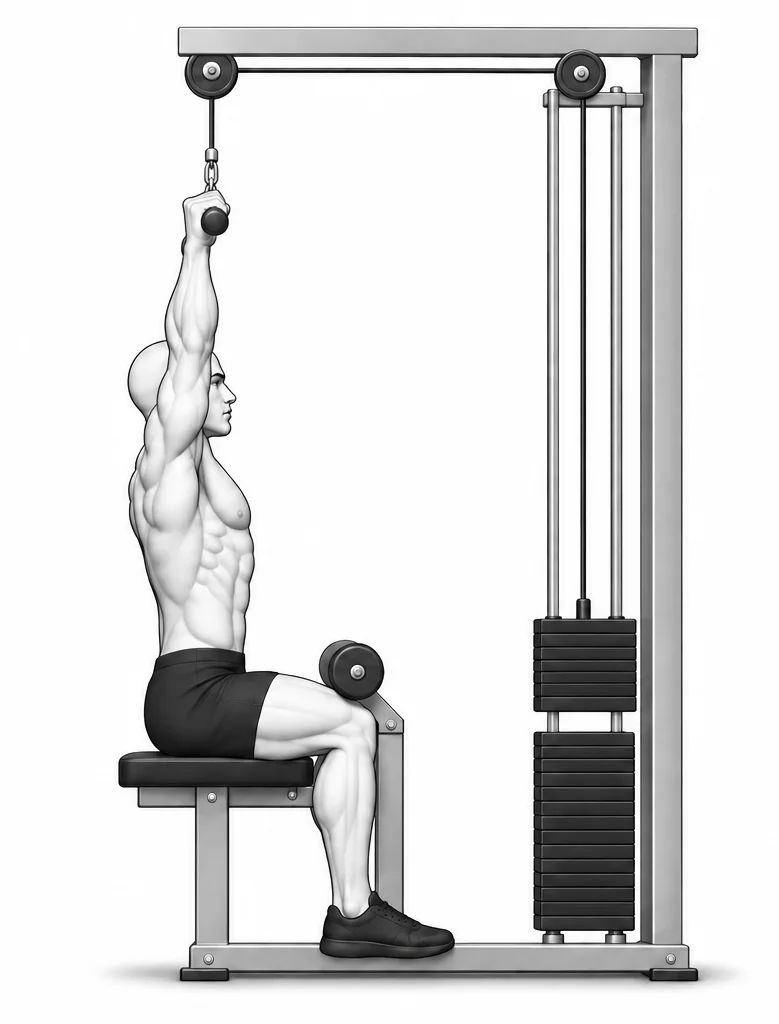
Several joints move, so several muscles share the load. Because more muscle is working, you can lift more weight, and one exercise trains a large part of the body. Squats, presses, rows and pulldowns are compound lifts.
Isolation (single-joint) #
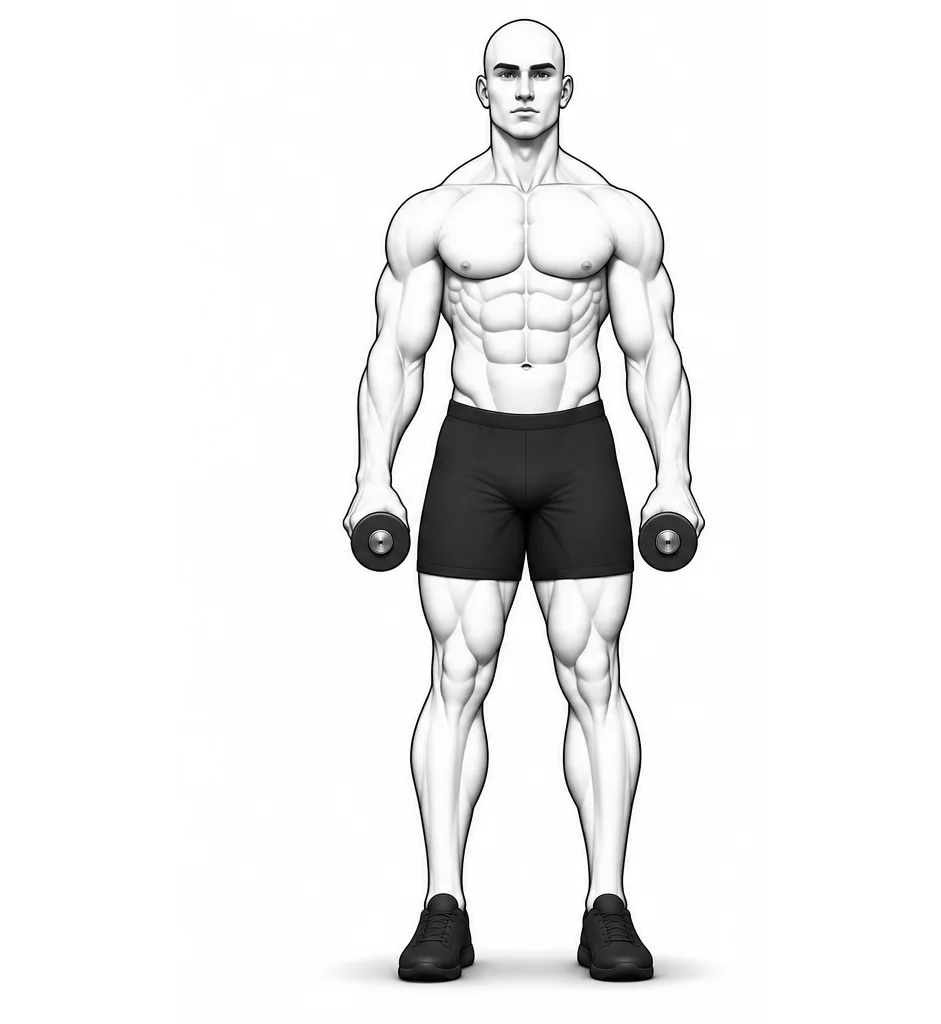
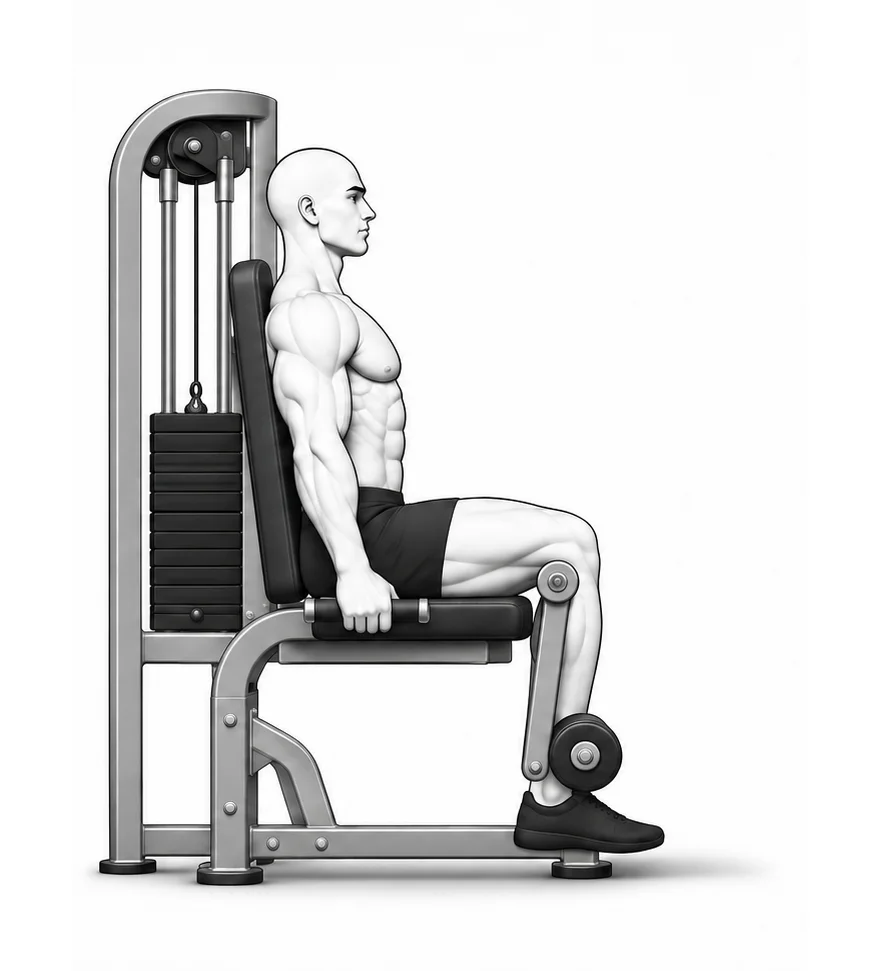
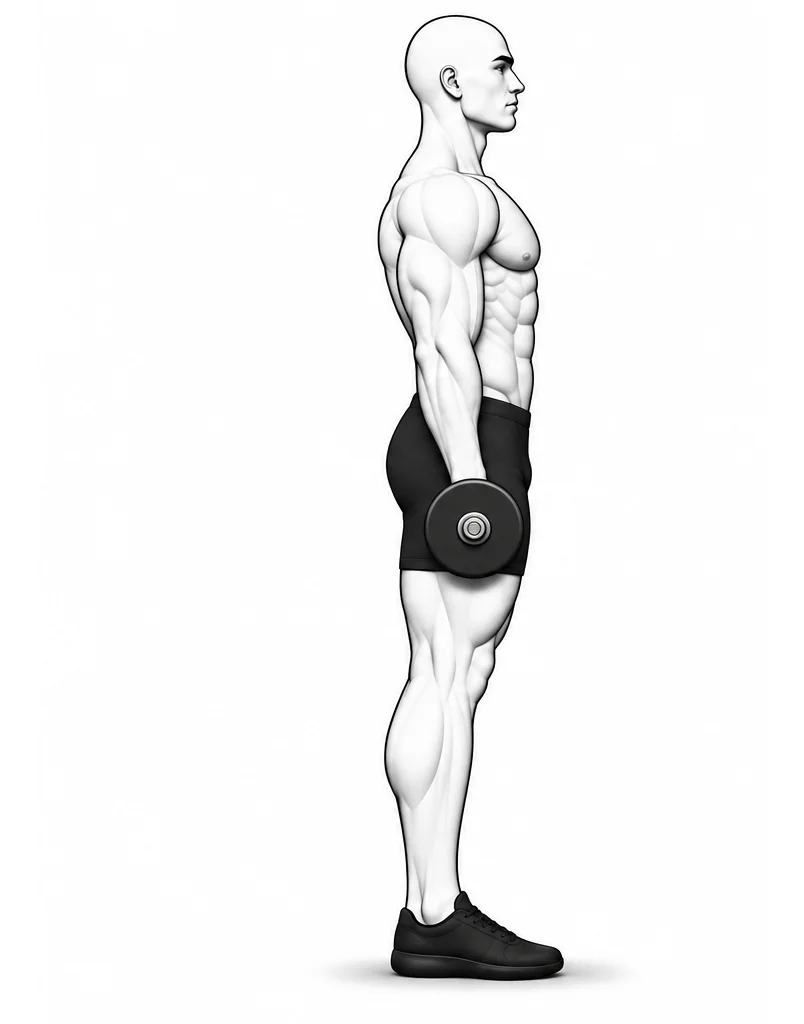
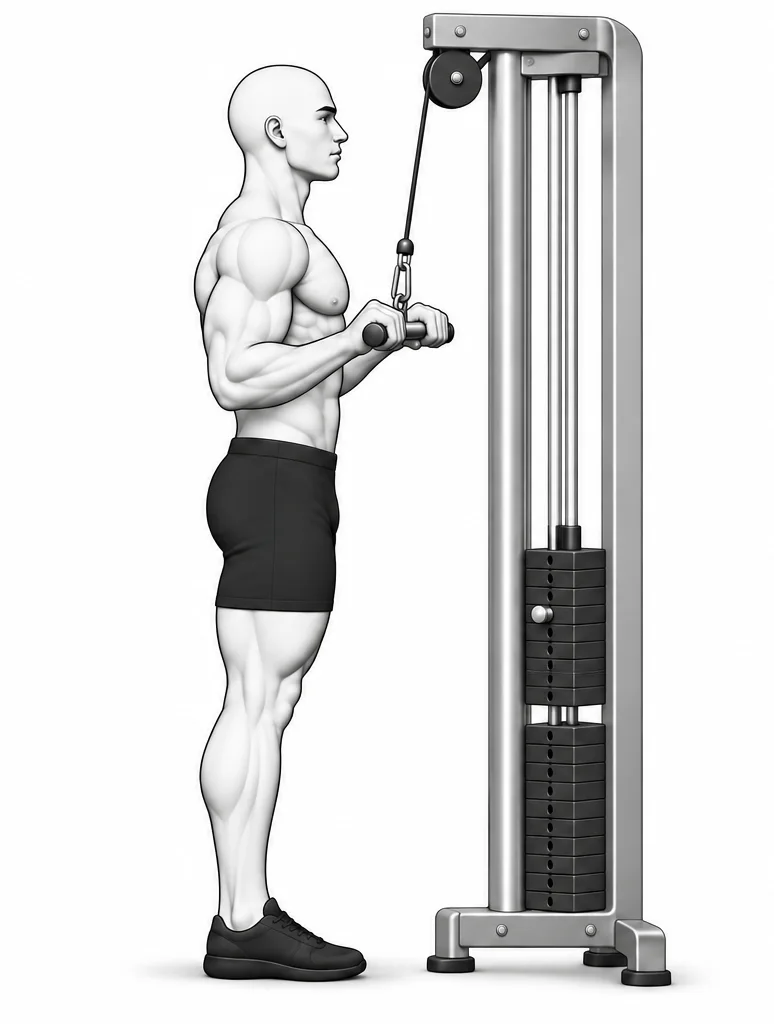
One joint moves, so one muscle or muscle group does most of the work. The weights are lighter, the movement is simpler to learn, and you can aim at a muscle that compound lifts train less. Lateral raises, leg extensions, curls and triceps pushdowns are isolation lifts.
A third kind: core exercises
Some exercises don't fit either type, because their job is to stop movement rather than make it. In a plank no joint moves at all; in a dead bug your arms and legs move, but the point is to keep your trunk still while they do. On this site these are labelled Core. They train your abdominals and the muscles around your spine to hold your body steady, and they usually go at the end of a session.
Side by side
Which builds more muscle?
For muscles that compound lifts already work hard, both types build muscle well, and adding isolation work on top changes less than people expect.
In untrained men doing 10 weeks of lat pulldowns and bench press, adding curls and triceps extensions didn't make the arms grow measurably more: elbow-flexor thickness rose 6.5% without the extra work and 7.0% with it [1].
When total training load was matched, a multi-joint programme improved strength and fitness more than a single-joint one [2].
Isolation lifts earn their place where a compound lift leaves a muscle under-trained. The side delts get little work from presses, and the rectus femoris (the quad muscle that also crosses the hip) stayed far less active than the other quads during a multi-joint leg exercise, even at high effort [3]. A leg extension trains it directly.
Which comes first in a workout?
Do your compound lifts first. A review of exercise-order studies found that a lift gains the most strength when it comes early in the session, while muscle growth was similar either way [4]. Your compound lifts carry the heaviest loads and need the most technique, so give them your freshest effort. Put isolation work after them.
How Liftometry uses them
Liftometry's templates start each session with one or two compound lifts and finish with isolation work for the muscles those lifts train least. The app logs both the same way, so you can see your progress on each.
Safety
Check with a doctor or physical therapist first if you have an injury, pain or a medical condition, or are pregnant.
Stop the set if you feel sharp pain, joint pain, dizziness or chest pain. Muscle burn and effort are normal; pain is not.
This page is general information about exercise technique. It isn't medical advice and doesn't replace advice from a professional who knows your health. See our Terms of Service.
Questions people ask
What compound exercises are there? #
The main ones are squats and leg presses, deadlifts and hip hinges, bench and overhead presses, push-ups, rows, pulldowns and pull-ups. Each moves at least two joints.
What builds more muscle, compound or isolation? #
Compound lifts, per minute spent, because they train several muscles at once. Isolation lifts are best used to add work to muscles that compound lifts leave under-trained [1][3].
Is the bench press a compound or isolation exercise? #
Compound. Your shoulders and elbows both move, so your chest, front delts and triceps all work.
Lifts of each type
Sources
- 1Gentil P, Soares SR, Pereira MC, et al. Effect of adding single-joint exercises to a multi-joint exercise resistance-training program on strength and hypertrophy in untrained subjects. Appl Physiol Nutr Metab. 2013;38(3):341–4. pubmed.ncbi.nlm.nih.gov/23537028
- 2Paoli A, Gentil P, Moro T, Marcolin G, Bianco A. Resistance training with single vs. multi-joint exercises at equal total load volume: effects on body composition, cardiorespiratory fitness, and muscle strength. Front Physiol. 2017;8:1105. pubmed.ncbi.nlm.nih.gov/29312007
- 3Ema R, Sakaguchi M, Akagi R, Kawakami Y. Unique activation of the quadriceps femoris during single- and multi-joint exercises. Eur J Appl Physiol. 2016;116(5):1031–41. doi.org/10.1007/s00421-016-3363-5
- 4Nunes JP, Grgic J, Cunha PM, et al. What influence does resistance exercise order have on muscular strength gains and muscle hypertrophy? A systematic review and meta-analysis. Eur J Sport Sci. 2021;21(2):149–57. pubmed.ncbi.nlm.nih.gov/32077380