Plank
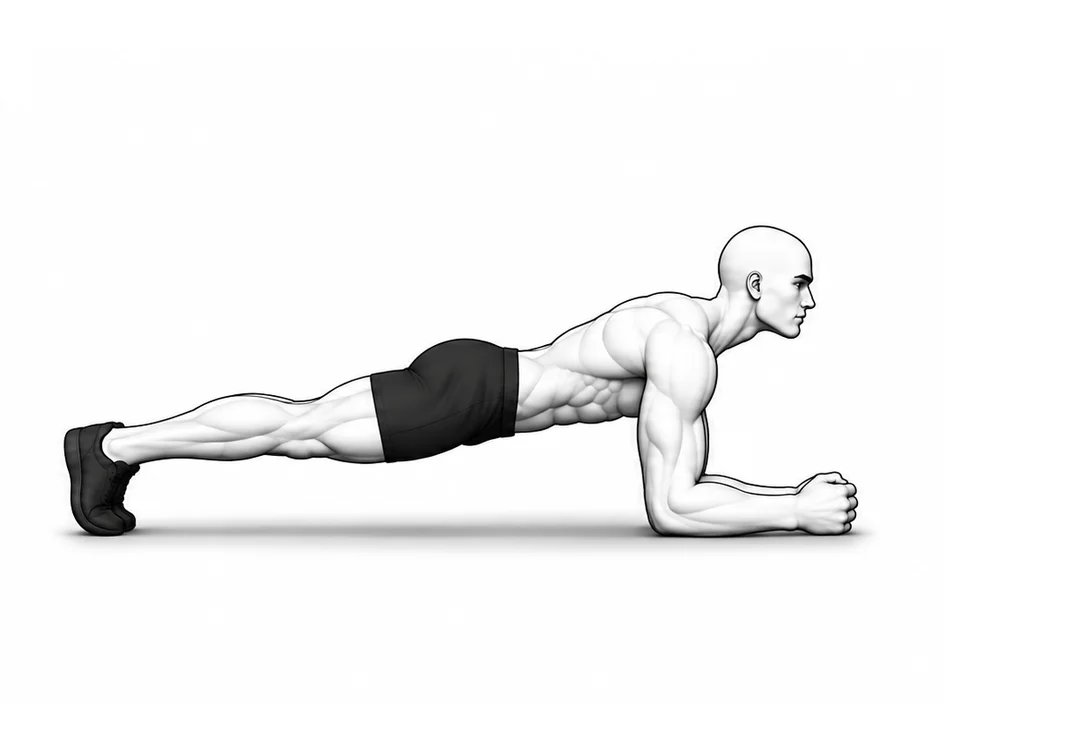
The plank is a hold, not a lift. On your forearms and toes, you keep your body in a straight line from head to heels and stop your hips from sagging, for a set time.
- TYPE
- Core: your trunk holds still against a load; no joint moves
- PRIMARY MUSCLES
- Abdominals: rectus abdominis and the obliques
- ALSO WORKING
- Glutes, quads, shoulders
- EQUIPMENT
- None; a mat for comfort
- DIFFICULTY
- Beginner
Form images
Muscles worked
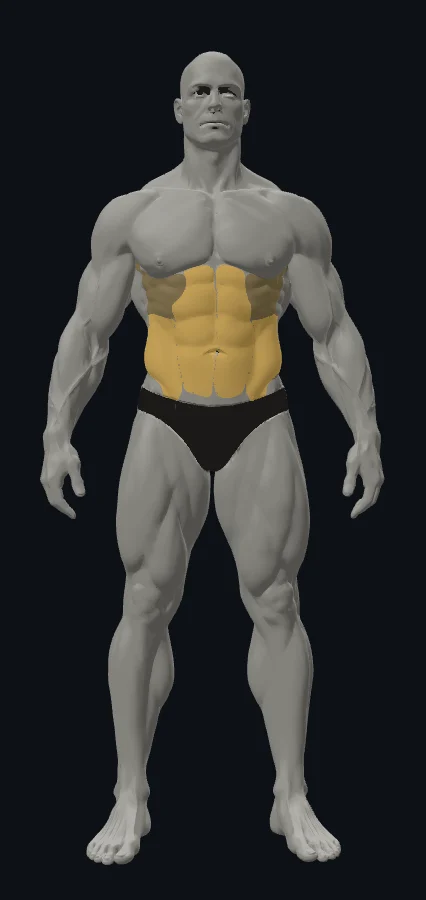
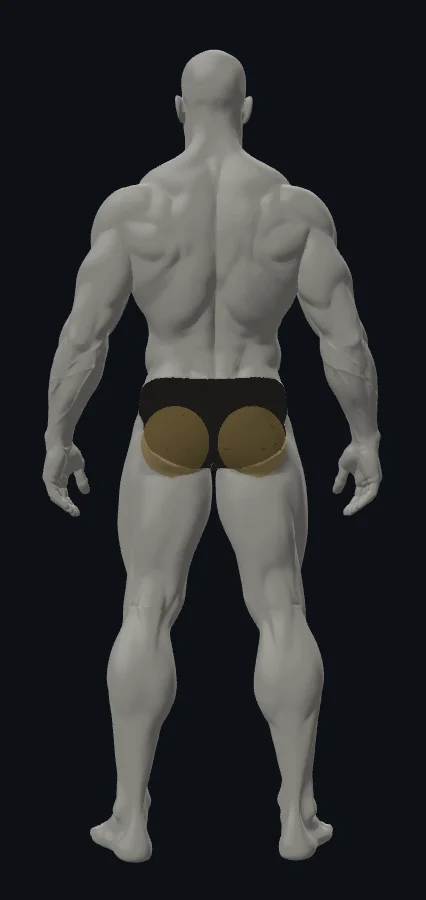
- PRIMARY
- Abdominals: rectus abdominis and the obliques
- ASSISTING
- Glutes, quads, shoulders
The plank trains your abdominals to hold your spine still while gravity tries to make it sag.
- Abdominals (rectus abdominis and the obliques) stop your lower back from arching.
- Glutes and quads keep your hips and legs straight.
- Shoulders hold your upper body up on your forearms.
Setup
- Forearms on the floor, elbows directly under your shoulders.
- Step your feet back so you're on your toes, legs straight, feet about hip-width apart.
- Make one straight line from head to heels.
- Look at the floor just in front of your hands.
How to do it
- Squeeze your glutes and tighten your abs as if bracing for a light punch.
- Pull your elbows towards your toes without moving them, to tighten your whole trunk.
- Hold the straight line for your target time.
- Breathe steadily throughout; don't hold your breath.
- Lower your knees to finish.
none: it's a hold.
hold for 20–60 seconds per set.
Common mistakes
Hips sagging
Your lower back arches and takes the load
Squeeze your glutes and tighten your abs until your hips line up.
Hips piked up
It shortens the lever and makes the hold too easy
Lower your hips into the straight line.
Holding your breath
You can't hold the brace for long, and it can make you dizzy
Breathe in short, steady breaths.
Holding too long with bad form
Time stops meaning anything once the line breaks
End the set as soon as your hips start to drop.
Make it easier or harder
Variations and alternatives
Same muscles, less load
A full plank breaks down in under 20 seconds.
Obliques, on one side at a time
You want to train the sides of your trunk.
Abs, with your arms and legs moving
You want a core exercise lying on your back.
Where to fit it into your workout
At the end of a session, so your trunk is fresh for your heavy lifts.
Sets: 2–3 holds of 20–60 seconds. Once 60 seconds is easy, make it harder rather than longer.
Rest: 30–60 seconds.
How often: two or three times a week.
What to pair it with: the dead bug or a side plank.
Safety
- End each hold when your hips start to sag.
- Keep breathing. Holding your breath through a long plank can make you lightheaded.
- Check with a doctor or physical therapist first if you have an injury, pain or a medical condition, or are pregnant.
- Stop the set if you feel sharp pain, joint pain, dizziness or chest pain. Muscle burn and effort are normal; pain is not.
- This page is general information about exercise technique. It isn't medical advice and doesn't replace advice from a professional who knows your health. See our Terms of Service.
Questions people ask
Do planks help with back pain?
We can't tell you that. If you have back pain, check with a doctor or physical therapist before you start.
How do I plank for two minutes?
Build up in short, clean holds, adding a few seconds each session. For building strength, a harder 60-second plank is more useful than a longer easy one.
How can a beginner do a side plank?
Lie on your side on one forearm, elbow under your shoulder, knees bent, and lift your hips until your body is straight from head to knees.
Is planking safe during pregnancy?
Ask your doctor or midwife; the answer depends on you and your pregnancy.
Sources
- None. This page gives technique only.